
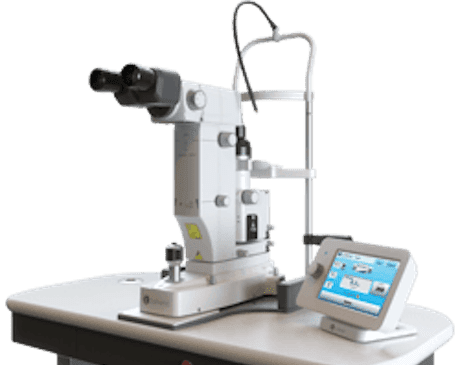
If you have glaucoma and eye drops are not effectively controlling your intraocular pressure (IOP), it’s time to consider Selective Laser Trabeculoplasty (SLT), a 20-year-old laser treatment designed to lower IOP. Drs. David O’Day and Leonard Achiron at Atlanta Vision Cataract and Laser Center have extensive experience in the treatment of glaucoma using both eye drops and SLT and have saved the eyesight of thousands of patients. Schedule your no-obligation consultation appointment in their Hapeville, Georgia, clinic today.
What is Selective Laser Trabeculoplasty?
During SLT, your ophthalmologist applies laser energy to your eye’s drainage tissue, causing the tissue to change over time andefficiently support drainage of fluid. The result is less intraocular pressure.
Because the laser targets the pigmented drainage tissue, the rest of your eye won’t absorb the laser energy.
How long does it take to achieve lowered IOP?
Because laser therapy initiates biological and chemical changes in your body, it takes time to see results. However, most patients experienced lowered IOP beginning four to twelve weeks after they received the treatment.
What kind of reduction can I expect to see?
According to clinical studies done on the procedure, SLT lowers intraocular pressure by 30% on average, making it a worthwhile treatment for many patients at risk of losing their vision.
However, SLT is not effective for all patients. Patients who don’t experience a long-term reduction in IOP after selective laser trabeculoplasty will require glaucoma medication after treatment.
How long will the results last?
When lowered IOP lasts less than six months, the procedure is considered unsuccessful.
Most patients experience a reduction in IOP that lasts between a year and five years before additional treatment is required. At that point, Dr. O’Day or Dr. Achiron can perform SLT again, or you can use glaucoma medication depending on your medical history and their advice.
Is SLT safe?
SLT has been extensively studied in clinical trials and approved by the Food and Drug Administration (FDA), which means trial data demonstrated the procedure is both safe and effective.
However, all medical procedures are accompanied by inherent risk. You can discuss the risks and benefits of SLT with your ophthalmologist before deciding on treatment.
Does insurance cover SLT?
Medicare and most medical insurance carriers cover SLT. Regardless of how you get insurance, you should contact your insurance carrier before your procedure to find out what you can expect to pay out of pocket for treatment.
The billing staff at Atlanta Vision Cataract and Laser Center can also assist you in planning for the financial aspect of treatment.
Selective Laser Trabeculoplasty (SLT) FAQs
What is Selective Laser Trabeculoplasty (SLT)?
Selective Laser Trabeculoplasty (SLT) is a laser treatment used to lower intraocular pressure in patients with glaucoma. During the procedure, laser energy is applied to the eye’s drainage tissue to improve fluid outflow, which helps reduce eye pressure while leaving surrounding eye structures unaffected.
How long does it take to see results after SLT?
SLT works by triggering biological and chemical changes in the eye, so results are not immediate. Most patients begin to see a reduction in intraocular pressure within four to twelve weeks after treatment.
How much can SLT lower eye pressure?
Clinical studies show that SLT lowers intraocular pressure by about 30% on average. However, results vary from patient to patient, and some individuals may still require glaucoma medications if long-term pressure reduction is not achieved.
How long do SLT results last?
For many patients, SLT results last between one and five years. If eye pressure rises again, the procedure may be repeated, or glaucoma medications may be recommended based on your medical history and your doctor’s guidance.
Is SLT a safe procedure?
SLT has been extensively studied and approved by the FDA, demonstrating that it is both safe and effective. As with any medical procedure, there are potential risks, which your ophthalmologist will review with you before treatment.
Does insurance cover Selective Laser Trabeculoplasty?
Medicare and most medical insurance plans cover SLT. It’s recommended that you contact your insurance provider in advance to understand any out-of-pocket costs. The billing team at Atlanta Vision Cataract and Laser Center can also help you plan financially for treatment.